Source Strength Training Seated Dip Station for Home Gym
Compare 30 strength training seated dip station models from verified suppliers. Evaluate specifications like weight capacity, dimensions, and materials to find the right equipment for home gyms, commercial facilities, and community centers; compare the available evidence and request quotations based on your requirements.
Key considerations
Products List
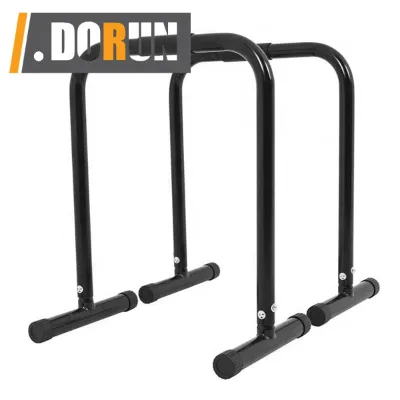
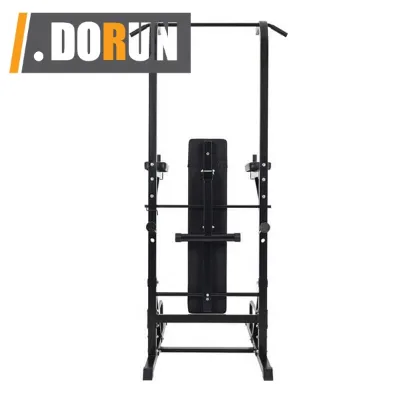


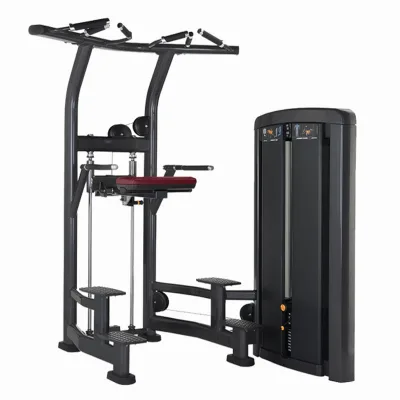
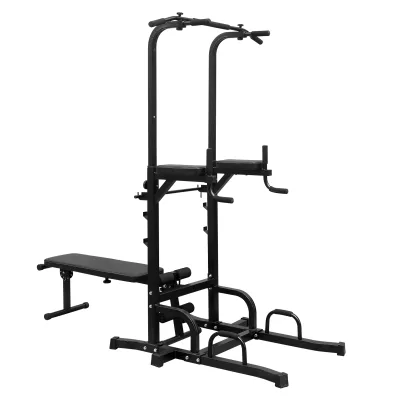


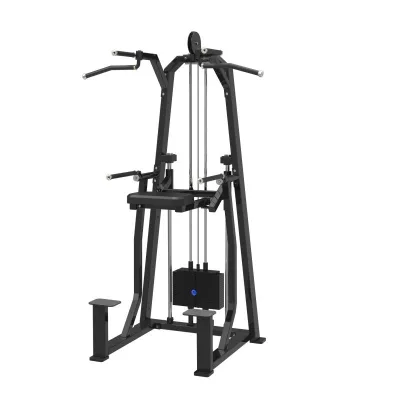


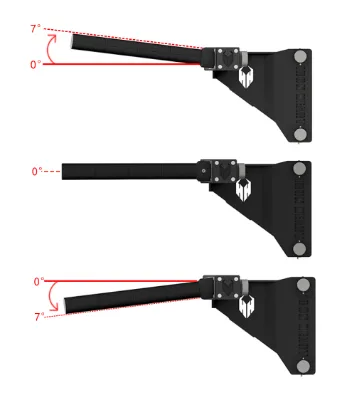
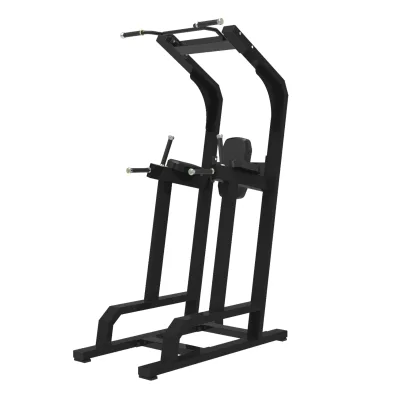
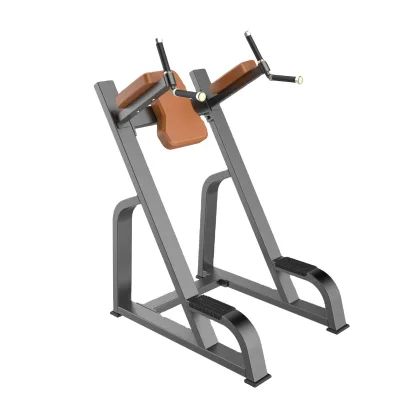

Comprehensive Sourcing Guide
Strength Training Seated Dip Station Sourcing Guide
Procuring strength training seated dip stations requires a disciplined approach to verifying structural integrity and load-bearing capacity. Buyers must prioritize equipment that supports heavy resistance training without compromising user safety during high-intensity sessions. The market offers various configurations, from basic steel frames to adjustable units with upholstery options, each serving different facility needs. Understanding the specific mechanical requirements is essential for selecting the right hardware for commercial gyms, home setups, or community centers.
This guide outlines the critical verification steps for sourcing these units, focusing on technical specifications, compliance documentation, and supplier reliability. By examining observed listing signals and material properties, buyers can distinguish between premium durable equipment and lower-quality alternatives. The following sections provide a structured framework for evaluating potential suppliers, ensuring that the final procurement decision aligns with long-term operational goals and safety standards.
Product Scope and Observed Listing Signals
The current market landscape for dip stations includes distinct product categories such as push-up stands and full dip stations, each with unique dimensional profiles. Observed listings reveal a wide price range from approximately $13.76 to $874.66, reflecting significant variations in material quality, brand reputation, and included features. Minimum order quantities vary substantially, ranging from single units for retail testing to bulk orders of up to 800 pieces for large-scale facility outfitting. This diversity allows buyers to tailor their procurement strategy based on immediate inventory needs and budget constraints.
Specific product attributes observed in listings provide valuable insights into potential inventory. For instance, some units are identified as "Push Up Stand Bars" with a model number like DR-100829, while others are labeled as "Dip Stations" with model numbers such as DR-100797. Dimensions also vary, with some units measuring around 61 cm in length and others extending to 138 cm or more. These variations indicate that buyers must carefully match product specifications to their intended space and user demographic, ensuring that the selected equipment fits both physically and functionally within their facility layout.
Technical Specifications to Verify
Verifying the structural dimensions and load capacity is paramount when sourcing dip stations. Key specifications to confirm include the overall size, such as lengths ranging from 61 cm to over 138 cm, and heights that can exceed 200 cm for full dip stations. Buyers should also check the maximum loading weight, which has been observed to range from 150 kg to 200 kg, ensuring the equipment can safely support the intended user weight plus additional resistance. Material composition, typically steel, must be verified for thickness and finish to prevent corrosion and ensure long-term durability under heavy use.
Packaging and shipping dimensions are critical for logistics planning and cost estimation. Observed packing sizes vary, with some units requiring boxes measuring 78x64x12 cm, while larger dip stations may need packages up to 155x45x22 cm. Net and gross weights also differ significantly, with some units weighing around 6-8 kg and others exceeding 35 kg. Buyers must calculate freight costs based on these volumetric weights and ensure that their receiving facility can handle the physical dimensions of the delivered goods, avoiding unexpected storage or handling issues upon arrival.
Compliance and Safety Documentation
Ensuring that dip stations meet relevant safety and quality certifications is essential for liability management and user trust. Buyers should request documentation for certifications such as CE, ISO, and RoHS, which indicate compliance with international safety and environmental standards. These certifications verify that the materials used are free from harmful substances and that the manufacturing processes adhere to strict quality control measures. Without proper certification, equipment may pose safety risks and fail to meet regulatory requirements in certain markets, potentially leading to legal complications or product recalls.
Warranty terms and after-sales support are also critical components of the compliance framework. A standard warranty period of three years has been observed in some listings, providing buyers with assurance regarding the product's longevity and the supplier's confidence in their manufacturing quality. Buyers should verify the scope of the warranty, including coverage for structural defects, weld integrity, and upholstery wear. Clear warranty terms protect the buyer from unexpected repair costs and ensure that any manufacturing defects are addressed promptly, maintaining the facility's operational continuity and user safety standards.
Cost Drivers and Commercial Terms
Several factors influence the final cost of dip stations, including material quality, brand name, and customization options. Premium brands like DorunFit may command higher prices due to established reputation and consistent quality control, while generic steel frames offer more budget-friendly alternatives. Customization availability, such as selectable upholstery colors like brown or black, can also impact pricing, as bespoke features often require additional manufacturing steps. Buyers should evaluate the total cost of ownership, considering not just the unit price but also shipping, duties, and potential maintenance expenses over the product's lifespan.
Commercial terms such as supply ability and port of dispatch affect procurement timelines and logistics costs. Suppliers with a monthly supply ability of 2000 pairs can accommodate large orders, but buyers must confirm lead times to ensure timely delivery. Ports of dispatch, including Nantong, Shanghai, and Qingdao, offer various shipping routes that can influence freight costs and transit times. Buyers should negotiate clear payment terms and delivery schedules, ensuring that the supplier can meet their inventory requirements without causing delays in facility opening or equipment upgrades.
Supplier Qualification and Quality Control
Evaluating supplier qualifications is crucial for ensuring consistent product quality and reliable service. Buyers should assess the supplier's production capacity, verified through metrics like monthly supply ability, and their experience in manufacturing fitness equipment. Factories with established quality control processes are more likely to deliver products that meet specified dimensions and load capacities. Additionally, suppliers offering customization options demonstrate flexibility and a customer-centric approach, which can be valuable for meeting specific facility branding or functional requirements.
Quality control checks should include visual inspections of welds, surface finishes, and upholstery stitching. Buyers may request pre-shipment samples or third-party inspection reports to verify that the products match the agreed-upon specifications. Checking the supplier's response to defects and their willingness to provide replacement parts or repairs is also important. A supplier with a robust quality control system and a history of positive customer feedback is more likely to deliver dip stations that perform reliably over time, reducing the risk of early failures and customer dissatisfaction.
Long-Term Procurement Checks
Establishing long-term procurement relationships requires ongoing monitoring of product performance and supplier reliability. Buyers should track user feedback and maintenance records to identify any recurring issues with specific models or batches. Regular audits of supplier quality control processes can help ensure that standards are maintained over time, especially when scaling up orders. Building a relationship with a supplier who prioritizes continuous improvement and transparent communication can lead to better pricing, priority production slots, and access to new product innovations.
Reviewing warranty claims and after-sales support effectiveness is also essential for long-term satisfaction. Buyers should assess how quickly suppliers respond to service requests and their willingness to resolve issues amicably. Maintaining a diverse supplier base can mitigate risks associated with single-source dependency, ensuring continuity of supply even if one supplier faces production delays or quality issues. By focusing on these long-term checks, buyers can build a resilient procurement strategy that supports the sustained operation and growth of their fitness facilities.
FAQs
What is the maximum loading weight for the dip station?
The dip station supports a maximum loading weight of 150 kgs. This capacity ensures stability for most adult users during intense chest and tricep exercises. The robust steel construction provides a secure base for consistent performance in home or gym settings without compromising safety during heavy use.
Can the dip station be customized for specific branding needs?
Yes, customization is available for this dip station model. Buyers can request specific modifications to meet unique branding or functional requirements. This flexibility allows businesses to tailor the product to their market needs while maintaining the core structural integrity and durability expected from professional-grade fitness equipment.
What certifications does the strength training seated dip station have?
The dip station holds CE, ISO, and RoHS certifications. These credentials verify compliance with international safety and environmental standards. Such certifications are essential for B2B buyers seeking reliable suppliers, ensuring the product meets regulatory requirements for export and use in various global markets without legal or safety concerns.
How much space does the dip station require for setup?
The dip station measures 138 by 74 by 221 cm when unfolded. This substantial footprint requires adequate floor space for safe operation. Buyers should plan their facility layout carefully to accommodate these dimensions, ensuring sufficient clearance around the unit for users to perform exercises safely without obstruction or injury risks.
What is the supply ability for this dip station model?
The supplier offers a monthly supply ability of 2000 pairs. This production capacity supports large-scale orders and consistent inventory replenishment. Buyers requiring bulk quantities for distribution or gym outfitting can rely on this steady output to meet their procurement schedules without facing significant delays or stock shortages during peak seasons.
Is the dip station suitable for universal application across demographics?
Yes, the dip station is designed for universal application. It is suitable for adult users of various sizes and fitness levels. The unisex design and adjustable features accommodate different body types, making it a versatile choice for commercial gyms, community centers, and home setups seeking inclusive fitness solutions for diverse user groups.